


In the gritty landscape of 1980s Detroit, “White Boy Rick” tells the compelling true story of Richard Wershe Jr., a teenager who became an unlikely player in the drug trade. This film captures the raw essence of a city grappling with crime and corruption while exploring themes of loyalty, betrayal, and the loss of innocence.
As viewers dive into the tumultuous life of Rick, they witness how a young boy navigates the dangerous world of drugs and law enforcement. With a powerful performance by the cast, the film paints a vivid picture of a time and place that shaped a generation. Fans of crime dramas and true stories will find themselves captivated by this gripping tale that raises questions about morality and survival.
Overview of White Boy Rick Full Movie
“White Boy Rick” centers on Richard Wershe Jr., a teenager drawn into the drug trade of 1980s Detroit. At just 14 years old, he becomes an undercover informant for the FBI. The film illustrates his descent into the world of crime, revealing the motivations behind his choices.
Detroit’s socioeconomic landscape plays a crucial role in shaping the characters and their decisions. The film showcases the devastating impact of drugs on the community while highlighting themes of loyalty, betrayal, and the struggle for survival.
Powerful performances from the cast, which includes Matthew McConaughey, Richie Merritt, and Jennifer Jason Leigh, enhance the emotional depth of the narrative. Critics and audiences alike note the film’s gripping portrayal of the harsh realities faced by young individuals in a corrupt environment.
Set against a backdrop of crime and moral ambiguity, “White Boy Rick” compels viewers to reflect on the complexity of right and wrong. The cinematography captures the gritty essence of Detroit, further immersing the audience in the film’s atmosphere.
Plot Summary
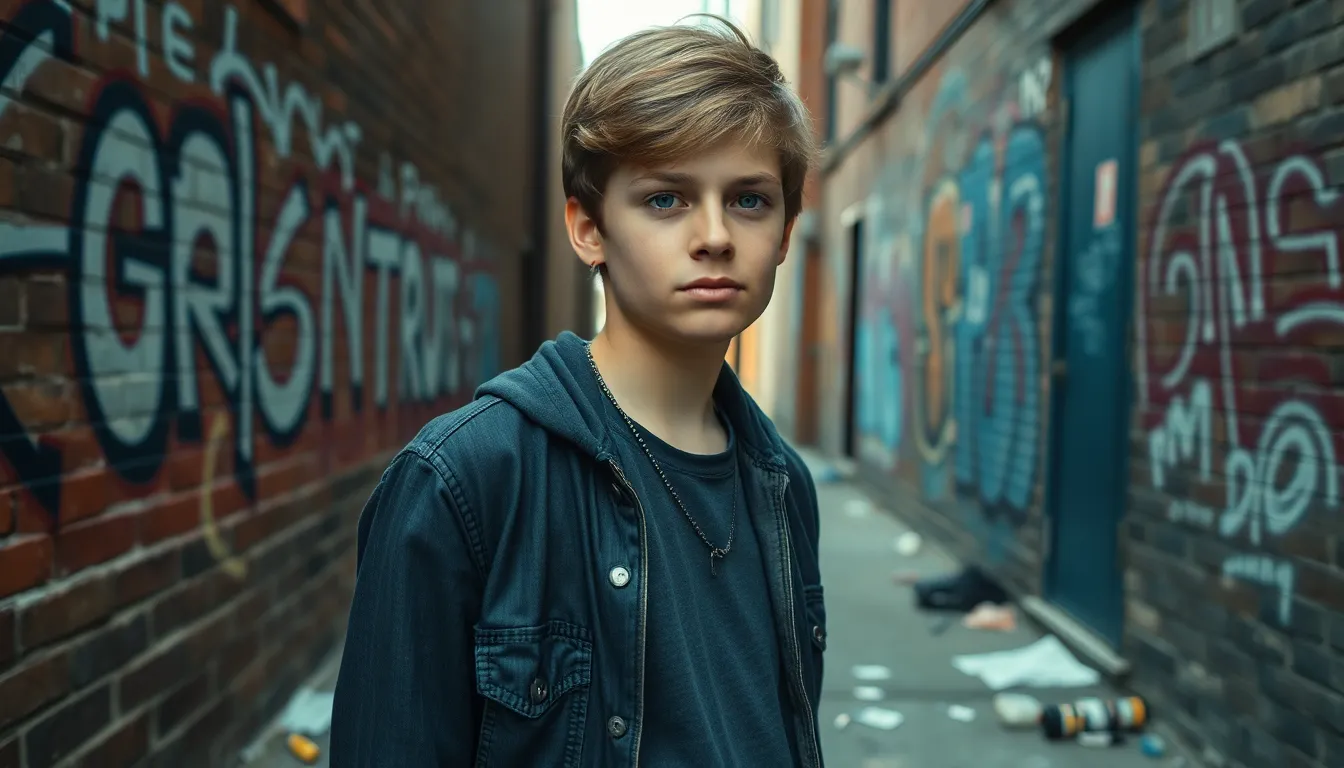
“White Boy Rick” chronicles the life of Richard Wershe Jr., a teenager whose journey through the 1980s Detroit drug trade reveals deeper themes of loyalty, betrayal, and loss of innocence. This narrative unfolds amidst the harsh realities of a crime-ridden city, shaping the characters’ destinies.
Main Characters
- Richard Wershe Jr.: A 14-year-old who becomes an undercover informant for the FBI, navigating the complexities of crime while facing moral dilemmas.
- Porteous Wershe: Richard’s father, portrayed by Matthew McConaughey, struggles with his own choices and their impact on his family, emphasizing parental influence amid turmoil.
- Dawn Wershe: Richard’s supportive yet conflicted sister, representing the familial bonds strained by their environment.
- FBI Agents: Various agents interact with Richard, signifying the entanglement of law enforcement in his life and decisions, often blurring the line between right and wrong.
Key Events
- Becoming an Informant: Richard’s recruitment by the FBI at 14 marks the beginning of his dual life, entrenching him deeper into the drug world while simultaneously attempting to operate as a boy.
- Rising Fame in the Drug Trade: Richard’s activities lead to significant involvement with Detroit’s drug dealers, showcasing the allure and dangers of his lifestyle amid escalating violence.
- Betrayal and Consequences: The narrative escalates when alliances shift, leading to betrayals that reshape Richard’s fate. His involvement with law enforcement ultimately brings severe repercussions, highlighting the fickle nature of trust within his world.
- Legal Struggles: Richard’s arrest and subsequent legal battles illustrate the systemic issues within the justice system and the long-term impacts of his early choices, drawing attention to the broader societal implications.
Historical Context
The film “White Boy Rick” draws from significant historical events and elements, providing a deeper understanding of its narrative and themes.
Real-Life Inspiration
Richard Wershe Jr., the film’s central figure, became a teenager caught in the drug trade of 1980s Detroit. At just 14, he worked as an undercover informant for the FBI. This real-life portrayal highlights the choices he faced and their far-reaching consequences. Wershe’s story exemplifies the complexity of young lives entangled in crime, often driven by familial loyalty and societal pressures. His arrest in 1987 marked a pivotal moment, resulting in a life sentence for drug trafficking, which reflects the broader issues of youth involvement in illicit activities and the challenges of law enforcement in that era.
Setting and Time Period
The film is set in Detroit during the late 1980s, amid a crippling drug epidemic. This time period saw rampant crime and significant socioeconomic decline, which shaped the lives of many residents. Detroit’s infamous landscape, characterized by abandoned buildings and systemic poverty, serves as a stark backdrop for Wershe’s journey. The illicit drug trade flourished during this time, with the crack cocaine crisis exacerbating the city’s struggles. Through authentic cinematography, “White Boy Rick” immerses viewers in the gritty reality of this environment, illustrating the detrimental impact of drugs on communities and individuals.
Cinematic Elements
“White Boy Rick” effectively utilizes various cinematic elements to enhance its storytelling, creating a powerful portrayal of its themes and characters. The film’s direction, production, and visual style work cohesively to immerse viewers in its gritty narrative.
Direction and Production
Directed by Yann Demange, “White Boy Rick” captures the raw essence of 1980s Detroit through its compelling storytelling. Demange’s approach emphasizes authenticity, focusing on character development and emotional resonance. The collaboration with producers and the supporting crew resulted in a film that highlights the struggles of youth in a corrupt environment while seamlessly weaving historical events into the narrative. Notable producers include Matthew Budman and Pamela Abdy, whose vision led to a thoughtful exploration of Richard Wershe Jr.’s life.
Cinematography and Visual Style
Cinematography by Lol Crawley plays a crucial role in establishing the film’s atmosphere. Crawley’s use of natural lighting and handheld camera work creates a sense of intimacy and immediacy, drawing viewers into the chaotic world. The color palette reflects the bleak socioeconomic conditions of Detroit, with subdued tones mirroring the characters’ despair. Iconic locations, such as abandoned buildings and bustling city streets, serve as visual backdrops, enhancing the narrative’s weight. This visual representation of the environment reinforces the film’s themes of deception, loyalty, and the devastating impacts of the drug epidemic.
Performances
“White Boy Rick” features a cast that brings emotional depth and complexity to the unfolding narrative. Lead actors deliver powerful portrayals that heighten the film’s dramatic tension and resonate with audiences.
Lead Actors
- Matthew McConaughey plays Porteous Wershe, Richard’s father. His performance captures the struggles of a man caught between his desires and the harsh realities of his environment.
- Richie Merritt portrays Richard Wershe Jr., delivering a remarkable debut that showcases the character’s innocence and later disillusionment amid the drug trade.
- Jennifer Jason Leigh takes on the role of Dawn Wershe, Richard’s sister, illustrating the emotional toll of their family’s entanglement in crime.
Supporting Cast
- Ray Liotta plays the role of an FBI agent, embodying the ethical dilemmas faced by law enforcement.
- Jacob Lattimore portrays a fellow drug dealer, adding complexity to the dynamics of loyalty and betrayal within the story.
- Tait Fletcher features as a menacing presence in the drug world, further emphasizing the risks Richard encounters.
Each performance contributes effectively to the film’s exploration of familial bonds and the socioeconomic pressures in 1980s Detroit. The entire ensemble creates an authentic portrayal of a troubled reality, leaving a lasting impact on viewers.
Reception and Impact
“White Boy Rick” received a mix of critical reviews and audience reactions upon its release. Its exploration of complex themes, engaging performances, and the gritty depiction of 1980s Detroit garnered attention and sparked discussions in various circles.
Critical Reviews
Critical response was varied. Many reviewers praised the film for its authentic portrayal of a troubled youth’s descent into crime. Sites like Rotten Tomatoes scored it 61% based on 197 reviews, indicating mixed or average reviews. Critics appreciated Matthew McConaughey’s performance as Porteous Wershe, with some noting his ability to convey emotional depth amidst the narrative’s chaos. Richie Merritt’s portrayal of the young informant received accolades for its authenticity and raw energy. However, some critics pointed to uneven pacing and a conventional narrative arc as weaknesses. For instance, The Hollywood Reporter described the film as “an ambitious yet flawed attempt to illuminate a dark chapter in Detroit’s history.” Overall, the film’s nuanced exploration of societal issues resonated with several critics, while others sought a more coherent storyline.
Audience Reaction
Audience reception varied as well, reflecting a blend of fascination and critique. Box office figures indicate the film grossed approximately $26 million against a $29 million budget, suggesting a moderate success. Viewers appreciated the film’s emotional weight and character development, with particular praise directed toward the supporting performances. Some audiences found the pacing slow, leading to mixed engagement levels. Social media reactions highlighted the film’s impact on discussions about crime and morality, with users expressing both admiration and critique. Platforms like Twitter echoed sentiments on the film’s poignant examination of loyalty and betrayal, drawing parallels to contemporary issues within urban communities.
“White Boy Rick” stands as a compelling exploration of youth caught in the crossfire of crime and loyalty. Its portrayal of Richard Wershe Jr.’s life offers a poignant reflection on the choices that shape one’s destiny amid a corrupt environment. The film’s powerful performances and authentic depiction of 1980s Detroit deepen the emotional impact, inviting audiences to grapple with complex themes of morality.
As discussions surrounding the film continue to unfold, it serves as a reminder of the broader societal issues that affect young lives. The narrative resonates beyond entertainment, prompting viewers to consider the implications of crime and the struggles faced by those ensnared in its grasp. “White Boy Rick” ultimately leaves a lasting impression, encouraging reflection on the delicate balance of right and wrong in a world fraught with challenges.


