
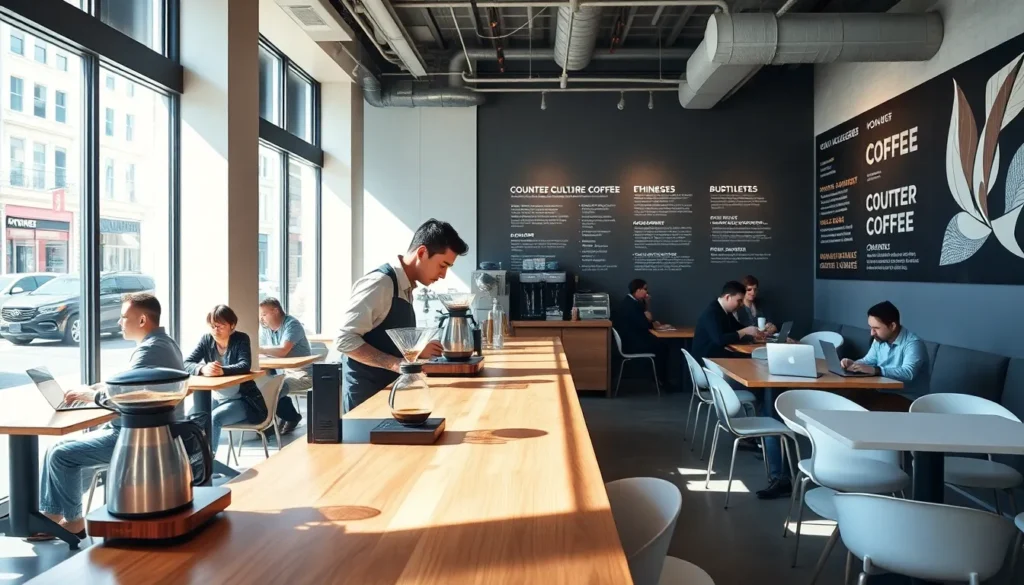

When coffee aficionados think of artisanal brews, Counter Culture Coffee often springs to mind. Known for their commitment to sustainable sourcing and exceptional flavor, they’ve become a staple in the specialty coffee scene. But lately, whispers of trouble have been circulating. Are they facing more than just a caffeine-induced jitters? Let’s jump into the intricate world of Counter Culture Coffee, filled with unexpected challenges and the brewing storms they need to navigate.
Overview of Counter Culture Coffee
Founding and Mission
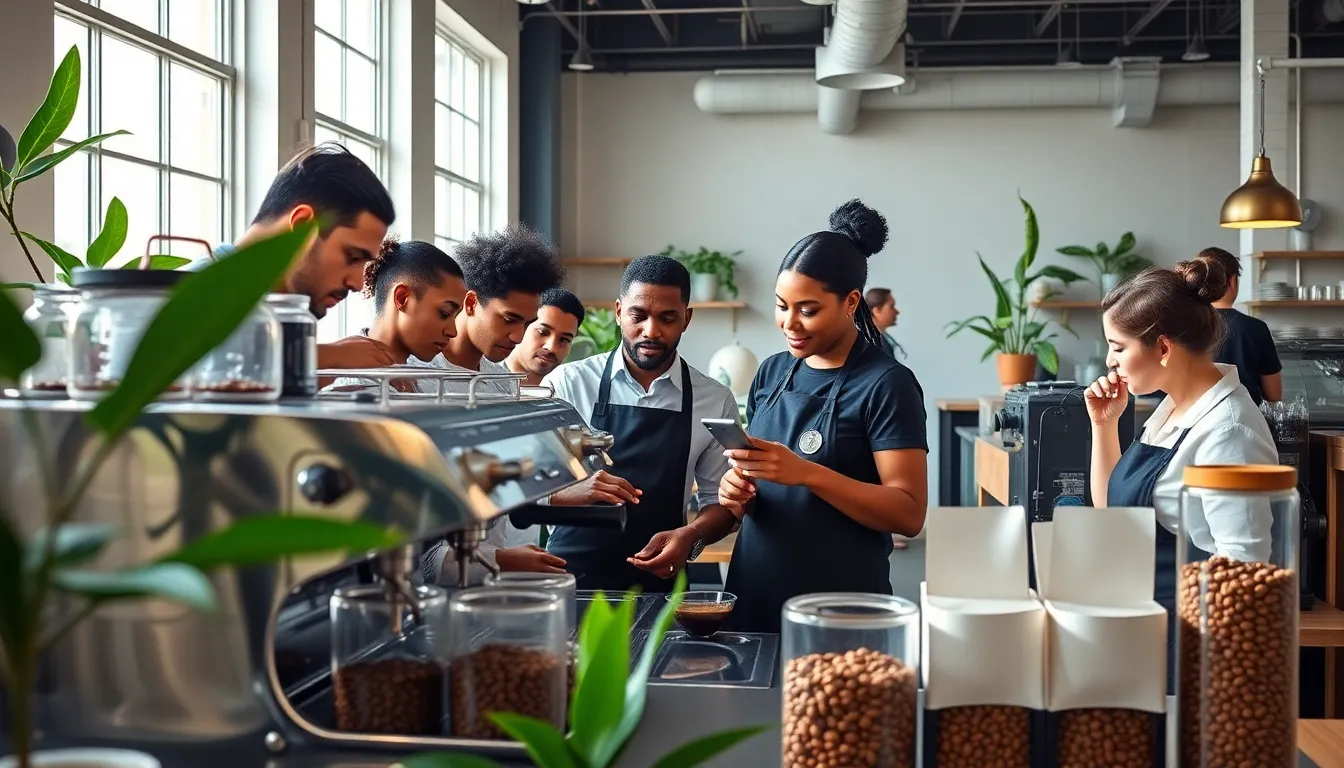
Counter Culture Coffee launched in 1995, rooted in a mission to redefine coffee sourcing and appreciation. The founders, Tracy Allen and Peter Giuliano, envisioned a company that didn’t just sell coffee but cultivated relationships with farmers worldwide. They aimed to elevate the coffee experience through quality, sustainability, and education.
Growth in the Specialty Coffee Industry
As the specialty coffee industry boomed in subsequent years, Counter Culture Coffee soared alongside it. Meticulous sourcing from direct trade practices, coupled with artisan roasting methods, helped them carve a distinctive niche. This growth wasn’t just about profits: it was also about promoting sustainable farming practices and fostering environmental responsibility.
The Big Trouble Encountered
Challenges Faced by Counter Culture Coffee
But, every great success story has its challenges. Counter Culture Coffee has encountered a blend of hurdles that have shaken their robust foundation. The very essence of their mission has continuously been put to the test.
Market Competition and Consumer Preferences
With an influx of new competitors entering the specialty coffee market, keeping their unique edge became more challenging. Consumers’ tastes shifted rapidly, influenced by trends, convenience, and price points. The art of coffee drinking evolved, leading to a more complicated landscape.
Supply Chain Issues
Further complicating matters, the COVID-19 pandemic disrupted global supply chains extensively. This affected sourcing schedules, quality control, and delivery timelines, making reliable supply a rarity during periods of peak demand.
Legal and Ethical Concerns
On top of that, legal issues have overshadowed their reputation. From labor practices to the sustainability of farming methods, questions raised have prompted scrutiny that the brand had previously managed to evade. This environment adds layers of difficulty in maintaining trust with both consumers and suppliers.
Impact on Brand Reputation
Consumer Reactions and Backlash
Brand reputation is like a fine roast: delicate and easily tarnished. Many loyal customers voiced their frustration on social media, demanding transparency and accountability. Some felt betrayed, believing the company strayed from its core values during turbulent times.
Response Strategies and Mitigation Efforts
Counter Culture Coffee recognized the need for effective response strategies. They launched initiatives aimed at restoring trust, such as open dialogues about supply chain transparency and ethical sourcing. The company also emphasized their dedication to customer education, ensuring consumers feel part of the journey, not just passive consumers of their product.
Future Outlook for Counter Culture Coffee
Innovations and Adaptations
Even though the difficulties, Counter Culture Coffee took innovative strides to stay relevant. Investing in technology and adapting to consumer needs are central to their strategy. New brewing techniques, enhanced online services, and transparency initiatives have become part of their recovery toolkit.
Building Consumer Trust Moving Forward
The path forward involves rebuilding consumer trust through major strides in ethical business practices. Holding themselves accountable and prioritizing customer engagement will be key. By integrating consumer feedback and concerns into their operations, Counter Culture Coffee looks to emerge stronger and more resilient than ever.


