
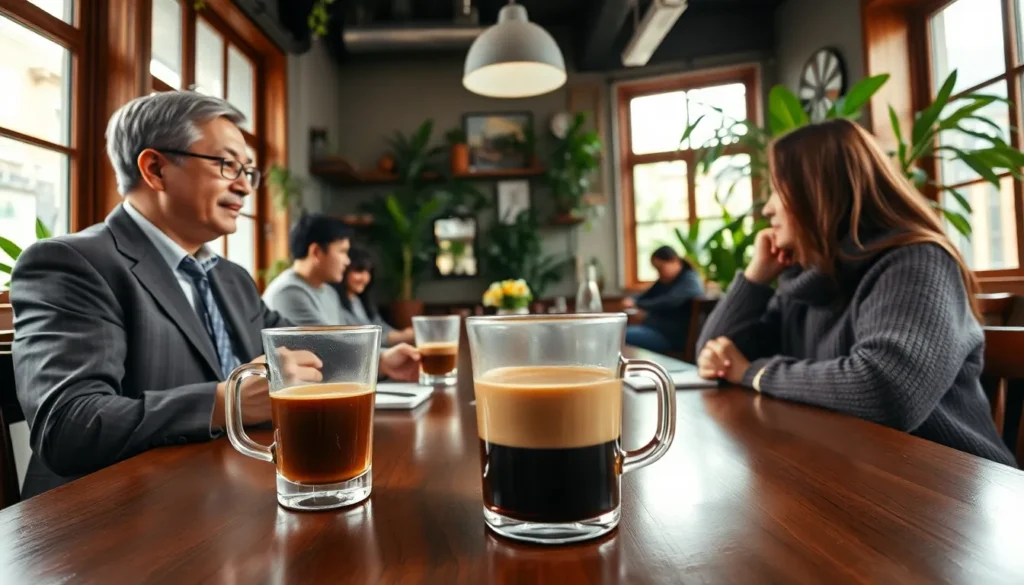

Vietnamese coffee culture is more than just a caffeine fix, it’s a delightful experience filled with rich aromas, vibrant conversations, and a unique brewing style that has captivated the world. But what makes it so special? Well, for starters, forget everything you thought you knew about coffee. This isn’t your average morning cup: it’s an immersion into a passionate tradition that embraces both the bitter and sweet. If you think your daily espresso has character, wait until you jump into the heart of Vietnam’s café scene. Prepare for a flavorful journey that promises to tickle your taste buds and warm your soul.
A Brief History of Coffee in Vietnam

Coffee was introduced to Vietnam in the 19th century by French colonists, planting the seeds for what would become a deeply ingrained cultural phenomenon. Fast forward to the present, and Vietnam stands as the second-largest exporter of coffee globally. The warm climate, coupled with the rich soil in the Central Highlands, has created perfect conditions for coffee cultivation. Back then, it was primarily robusta coffee that flourished, varying substantially from the arabica beans prized elsewhere. This variance influenced the nation’s coffee consumption, giving rise to distinctive flavors and brewing techniques that define the Vietnamese experience today.
The Vietnamese Coffee Experience
Experiencing Vietnamese coffee means more than just enjoying a cup, it’s about the rituals and the ambiance. Walking into a local café, patrons are greeted by the intoxicating scent of brewing coffee and the pleasant chatter of friends meeting up. The traditional way of enjoying coffee involves sitting back and letting time slow down. Typically, coffee is brewed using a phin, a small metal drip filter that sits atop a glass, allowing the coffee to trickle down slowly. There’s something almost magical about its precise brewing process, which allows the flavors to bloom beautifully. Add a touch of sweetened condensed milk, and you’ve got an elixir that dances between bitter and sweet.
Brewing Techniques and Equipment
Brewing Vietnamese coffee is an art in itself, and the equipment reflects that creativity. The fundamental tool is the phin, a straightforward yet highly effective drip filter. The process unfolds as follows: ground coffee is spread across the filter, hot water is poured on top, and then patience comes into play. The coffee slowly drips down, concentration and anticipation are key. For those looking to level up their caffeine game, using coconut milk, egg yolk, or even yogurt in the brew adds a new twist. Each method holds a story, and each sip tells a different tale of Vietnamese life.
Popular Types of Vietnamese Coffee
In Vietnam, coffee isn’t just a drink: it’s a delightful assortment of variations that reflect the rich culinary scene. From the famous cà phê sữa đá, a refreshing iced coffee with sweetened condensed milk, to the bold cà phê trứng, or egg coffee, which combines egg yolks, sugar, and milk to create a frothy, dessert-like experience, each type brings its unique flair. For the adventurous, there’s also cà phê dừa, which uses blended coconut for a tropical twist. Even more, you’ll find flavored versions infused with interesting ingredients like spices or fruit, appealing to a wide array of palates.
The Role of Coffee Shops in Social Life
In Vietnam, coffee shops are vital social hubs where community thrives, ideas are shared, and deals get struck. They’re not just spots for caffeine fixes: they are extensions of home and workplace, filled with laughter and deep conversations. You’ll find individuals working on laptops, friends enjoying afternoons together, and families celebrating special occasions. The culture surrounding coffee shops encourages long visits, where time is taken just to savor the moment. Some cafés even turn into galleries or performance spaces, demonstrating their dynamic role in urban life.
Coffee and Vietnamese Cuisine
Vietnamese coffee is not only a standalone pleasure but also a marvelous companion to the rich tapestry of Vietnamese cuisine. It enhances flavors, working harmoniously alongside traditional dishes. Picture a steaming bowl of pho with a cup of robust cà phê sữa đá, it’s a match made in culinary heaven. Also, many desserts incorporate coffee, creating delectable fusion recipes. The balancing act between coffee’s bitter notes and the sweetness of Vietnamese desserts offers a unique gastronomic experience that’s hard to replicate anywhere else.
Sustainable Practices in Vietnamese Coffee Production
In recent years, sustainability has taken center stage in Vietnamese coffee cultivation. Farmers are increasingly adopting eco-friendly practices aimed at minimizing environmental impact while boosting quality. From shade-grown coffee methods that protect biodiversity to initiatives focusing on fair trade, there’s a positive shift in the industry. These efforts are crucial not only for preserving the natural environment but also for ensuring fair wages for farmers, encouraging a brighter future for the coffee community. Shoppers can play their part by choosing sustainably sourced products, supporting this crucial transformation.


